


It is a medieval hamlet with a great artistic and landscape charm, rich in history and legends, with a castle dedicated to Venus. Erice exerts a particular fascination when thick fog covers it. It is directly linked to Trapani by cableway, easily accessible to everyone and from which a breathtaking view, ranging from the east to the west, can be admired...
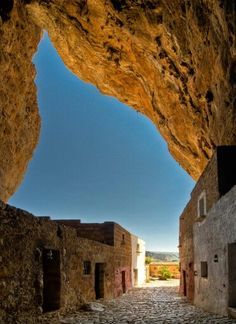
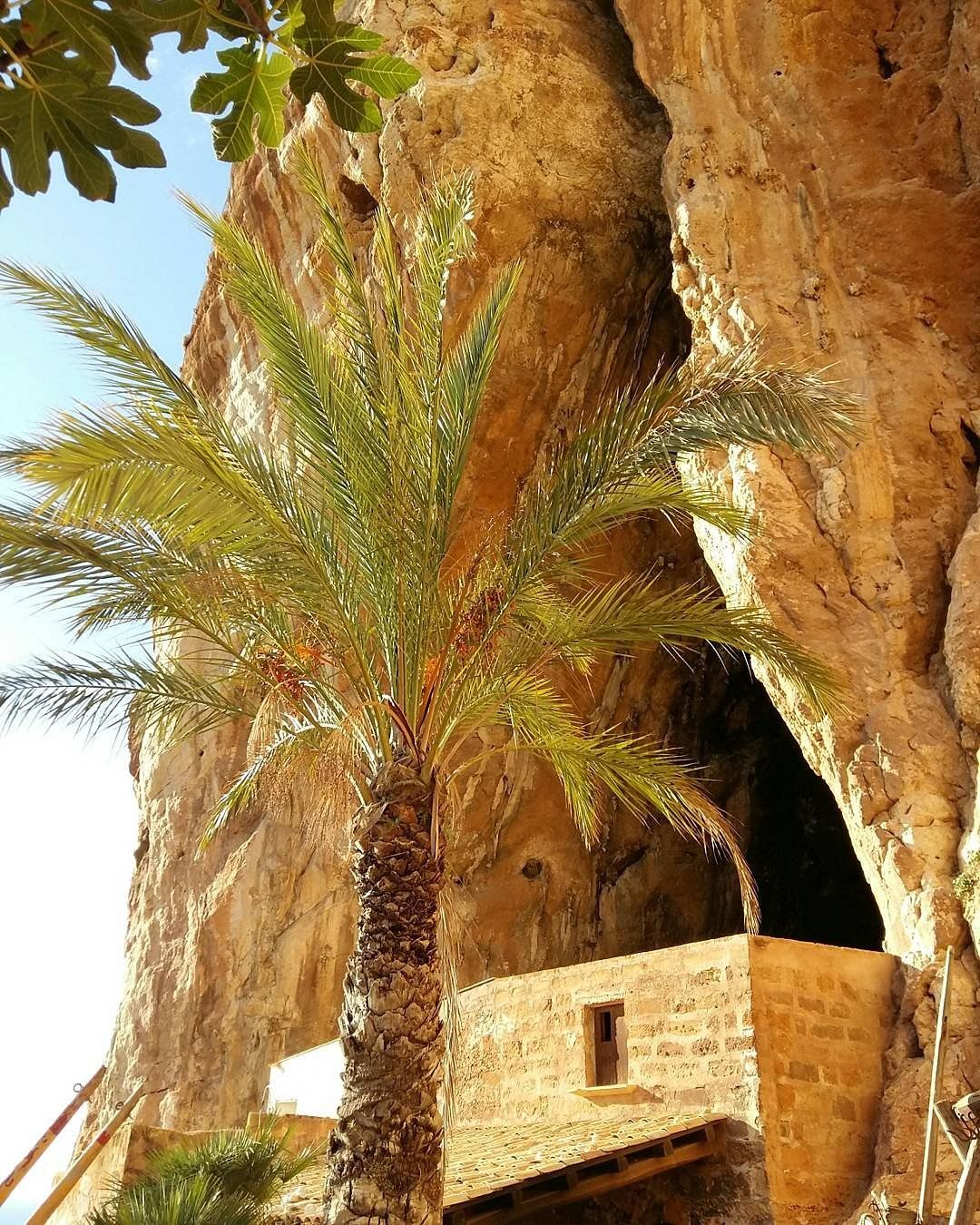
In Scurati, a small hamlet of Custonaci, there is a picturesque rural village nestled inside the Mangiapane Cave, named after the family who lived there starting in 1819. The cave is part of an ancient system of prehistoric settlements made up of nine caves, some of which lie within the Monte Cofano Nature Reserve.
About 80 meters high and 50 meters deep, this karst cave is one of the most important archaeological sites in the area. It has been inhabited since the Upper Paleolithic, as evidenced by the numerous finds discovered inside. Beginning in 1870, archaeological excavation campaigns uncovered animal bones and rock paintings, some of which are now preserved and exhibited at the Ethno-Anthropological Museum in Paris.
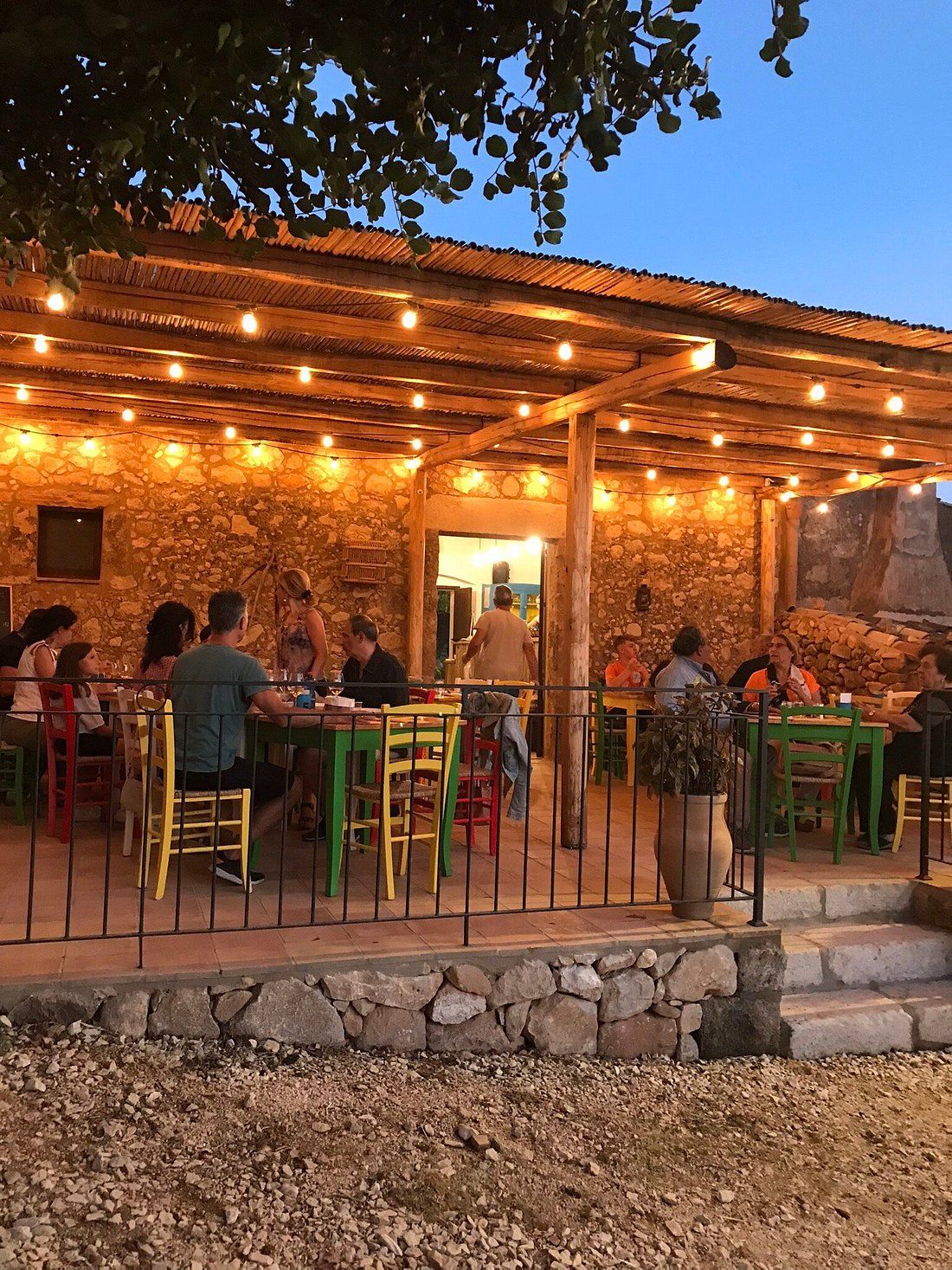
The small village inside the cave was inhabited for about 150 years by families who lived mainly from shepherding and agriculture. Today, the village appears exactly as it did a century ago: visitors can explore the ancient dwellings, stables, and artisan workshops where traditional trades were once practiced.
The Mangiapane Cave can be visited all year round, but during the Christmas season it is transformed into a truly unique setting thanks to the famous Living Nativity Scene, considered one of the largest and most evocative in Italy, attracting visitors from all over the world every year.
Altre localita

The isle of Mothia offers an opportunity for a walk amid the wonders of its vegetation and archaeology. The isle, of Phoenician origins, can be exclusively visited on foot: it is the largest among the islets off the coast of Marsala, and together form a lagoon with evocative colours.

Segesta is one of the most evocative archaeological sites in Sicily, with its stunning temple built on a hilltop, dating back to the period between 430 and 420 b.C. Its Doric Temple and Theater are of rare beauty...

Selinunte, an ancient Greek city on the south-western coast of Sicily (Castelvetrano), has got the largest archaeological park in Europe. Here the Doric style has found one of its finest expressions. It takes 2 to 6 hours to visit the Park and it is open all year round.

In ancient times it was called “Drepanon (Greek word that means “sickle”) for its shape. Trapani is also known as the city of salt and sailing and it is a perfect place for a holiday combining art, sea, nature and food and wine.

The Procession of the Mysteries is one of the oldest and most important processions in Trapani. It starts on Good Friday at 2.00pm from the Church of the Purgatory going on for 24 hours through the streets of the city.

During this event, held in September, different ethnic groups are blended together to create couscous dishes with various colours and flavours. Cous Cous Fest is the International Festival of Cultural Integration, an important event recurring from past 25 years...

Its crystal-clear waters offer tourists a unique spectacle. Snorkeling is the best way to enjoy this beautiful deep blue sea.

Favignana, Levanzo, Marettimo with different characteristics and remarkable beauties, rise majestically above the sea off the coast of Trapani...

It can be easily reached by going along most of the northern coast of Trapani and it welcomes tourists already delighted by splendid views accompanying them along the way...

Zingaro Nature Reserve is located in the western part of the Gulf of Castellammare, near San Vito Lo Capo. It is an area rich in vegetation and it is one of the few stretches of coast in Sicily without a coastal road...

The picturesque sea village of Scopello and the Zingaro Nature Reserve are the most charming places of the gulf of Castellammare.

Grazie al suo grande interesse naturalistico, speleologico, paesaggistico e storico, la Riserva Naturale del Monte Cofano regala al turista l’habitat ideale per una vacanza dal gusto intenso...

The Reserve extends itself between the municipalities of Trapani and Paceco. At sunset, the sun reflecting on the salt marshes and the white colour of the salt gives the sky special colours that are worthy being immortalised by a camera...

It is located in the western part of the Gulf of Castellammare, in the San Vito lo Capo Peninsula overlooking the Tyrrhenian Sea, and it was the first Nature Reserve to be established in Sicily...

Custonaci is a gem of the Agroericino area, world-renowned for the extraction of the precious Perlato di Sicilia marble. Its territory blends history and faith: from the ancient Scurati Caves, home to a suggestive Living Nativity scene, to the Sanctuary dedicated to the Madonna, celebrated annually with a spectacular sea procession. In the depths of the Cornino Bay lies the Stella Maris, a majestic submerged marble statue that watches over sailors and attracts diving enthusiasts from around the world.

Built in 1595 to defend the coast from pirate raids, the San Giovanni Tower is an imposing stone sentinel nestled within the Monte Cofano Nature Reserve. Once a strategic bulwark of the Sicilian sighting system, it is now an unmissable historical landmark for hikers, offering a unique panorama where the mountain meets the sea of Custonaci.